
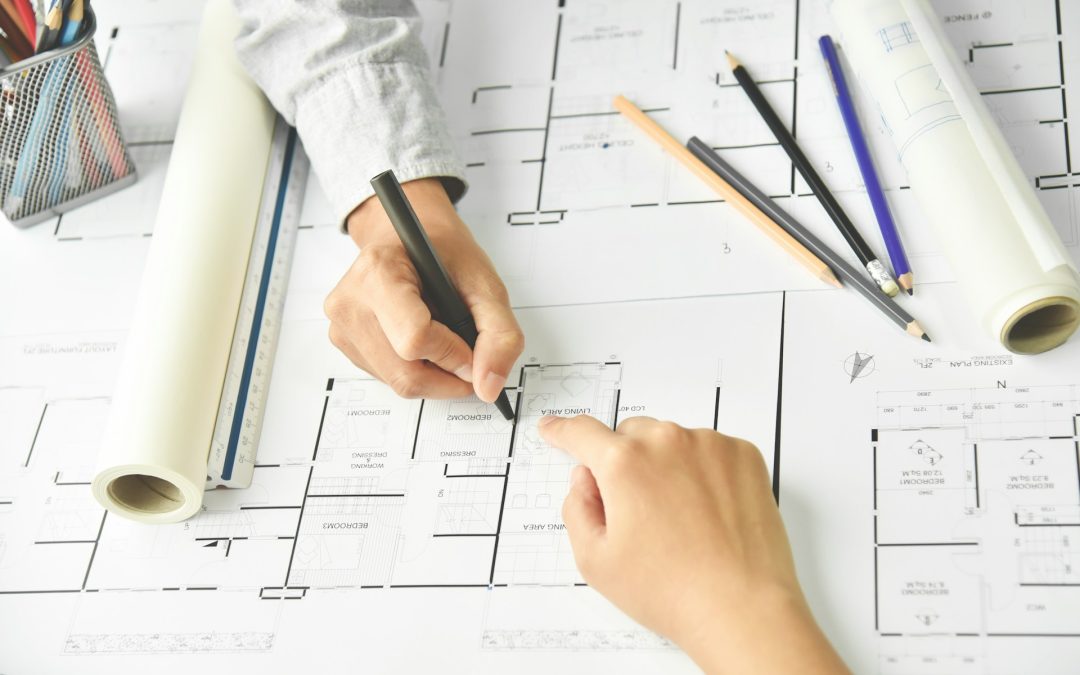
Managing a building project is no small task. It takes clear goals, good planning, and the right people working together. One of the biggest challenges many people face is keeping the timeline on track. When things go off schedule, it impacts everything from cost to crew availability to building access. Whether you’re working on an office fit-out or a healthcare facility in Newcastle, making smart decisions early on can stop hiccups before they turn into hold-ups.
One of the best ways to avoid delays is by focusing on how the project is set up and run. Getting the right people involved from the start, including a development manager, can shape how smoothly things go. With the right approach, buildings don’t just get built well. They get built faster and with fewer problems along the way.
The Role Of A Development Manager
A development manager’s job is to guide a building project from start to finish. They don’t swing hammers or draw blueprints. Instead, they work behind the scenes to make sure all parts of the job flow together. Think of them like a coordinator, connecting people, tasks, and timelines. Their goal is to make sure deadlines are realistic, budgets are followed, and everyone is working toward the same outcome.
Here’s what a good development manager typically handles:
– Coordinating between architects, builders, and clients
– Setting and adjusting timelines as needed
– Organising approvals, permits, and reports
– Monitoring budget limits and cost changes
– Solving issues before they get out of hand
In one project, for example, the builder was ready to begin slab pouring before the permits were finalised. Because the development manager had weekly updates with council contacts, they sped up the process and kept the timeline steady. Without that foresight, the crew might’ve been waiting around for days with nothing to do.
Besides clear communication and organisation, a strong development manager understands what each team member brings to the table. They can troubleshoot delays, manage expectations, and keep everyone in the loop. Hiring someone with this kind of focus helps reduce last-minute surprises and keeps your project timeline as steady as possible.
Effective Project Planning
Good planning keeps everything moving. It sets the pace, brings the right people in at the right time, and stops avoidable delays from creeping in. Without a clear plan, you’re basically guessing when things should be done, which rarely works out. Realistic timelines make a big difference, especially when you’re working on tight delivery windows in places like Newcastle where construction crew demand can fluctuate with the season.
To build a proper plan, you need to:
– Break the whole job into smaller tasks
– Set timeframes for each part without being overly ambitious
– Make allowances for delays in things like approvals, material delivery, or bad weather
– Line up the right trades with enough notice
– Review and update the schedule often, not just at the beginning
Tools like project scheduling software or Gantt charts can help set out the timeline in a visual way so it’s clear who’s doing what and when. While these tools won’t solve every problem, they can give your team a better sense of timing and where pressure points could build up. It’s also smart to look out for repeated issues, like certain trades clashing on-site or materials arriving out of sync, and shift the plan before it causes another delay.
Planning shouldn’t be set in stone. A strong plan leaves room to adjust as things change. For instance, if new access to the site opens halfway through the job, a good project schedule will take advantage of that and speed up internal work sooner than expected. The better the plan, the smoother the result.
Collaboration And Communication
Most delays don’t come from weather or materials. They come from poor communication. If a plumber doesn’t know when the frame is ready, or the electrician hasn’t been told the access schedule, time gets wasted. Clear, regular communication plugs those gaps and keeps all the moving parts working together.
There are a few simple ways to strengthen teamwork and avoid slip-ups:
– Keep everyone updated with weekly or even daily briefings, depending on the stage of the job
– Share access to a central schedule or communication platform where all updates live
– Make decisions fast and let everyone know about them straight away
– Don’t just confirm decisions over the phone, get them in writing to avoid confusion
– Involve key trades early so they can raise any clash points up front
On a job in Newcastle, for example, the site supervisor used a shared planning app that let every contractor check live updates. When materials were delayed on one end, the timeline was shifted slightly, and notifications were sent straight to all trades, saving a round of calls and avoiding frustration on site.
Projects are easier when everyone’s in the loop. It encourages accountability and makes your team feel like they’re on the same page, building toward the same result.
Leveraging Technology To Keep Projects On Track
Technology isn’t just about solving complex engineering problems. On a building site, it’s often the simple tools that make the biggest impact. Using tech the right way can free up time, cut down double handling, and let project leads focus on what matters most, keeping things moving.
There are plenty of tools available now, including:
– Project management software that tracks tasks, timelines, and signoffs
– Cloud-based documentation systems so drawings and permits don’t get lost in email chains
– Mobile apps that allow on-the-spot updates from site teams to office staff
– Communication platforms for daily site reports or weather alerts
– Digital checklists to make sure nothing slips through at handover
That said, tech works best when everyone uses it. If your project team is still relying on paper notes or scattered emails, things will fall through the cracks. Pick tools that are user-friendly and make training a part of your early planning stage so they become second nature by kickoff.
It’s also worth reviewing your tech as the project goes on. If a tool isn’t doing its job, don’t be afraid to swap it out. Scaling tools to fit the size and type of build, whether it’s a school extension or a full-site redevelopment, will often make the setup cleaner and faster.
Getting It Right From Start To Finish
Time is a big factor on every job, but hitting deadlines isn’t just about showing up. A smart plan, strong leadership, and the right systems all play a part in making things run smoothly from groundworks through to handover. When the key players, especially your development manager, are focused on coordination and timing, things start to line up more naturally.
Better timelines bring less stress all around. They make things clearer, help budgets stay realistic, and stop the wave of problems that follow when tasks get pushed back. Whether you’re planning a local government build across Newcastle or fitting out new offices in the CBD, keeping things streamlined makes the process easier for everyone involved.
Getting the right setup early can shape how the whole job goes. With the right mix of planning, people, and practical tools, you’ll be in a strong spot to bring your project in on time without cutting corners or losing quality.
To make sure your building project sails smoothly from inception to completion, having the right team is indispensable. A skilled development manager can be your linchpin for effective project management, reducing delays, and ensuring everything stays on track. Partner with Evercon today to experience seamless project execution in Newcastle.